
Back to overview
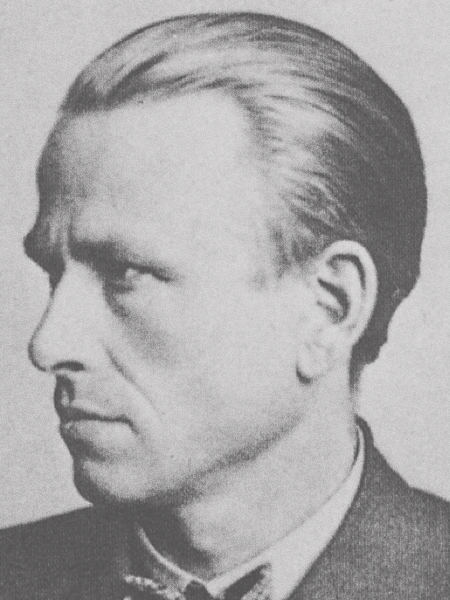
Otto Dix
* 1891, Untermhaus / Gera 1969, Singen
- Biography
* 1891, Untermhaus / Gera, 1969, Singen
A scholarship from the Principality von Reuß enabled Dix to study at the School of Applied Arts in Dresden, where he experimented with avant-garde forms. Dix volunteered for military service in the First World War. The horror that he experienced was to become the core subject matter for his artistic practice. After his return to Dresden, together with Conrad Felixmüller (1897-1977), he founded the group 'Gruppe 1919' of the Dresden Secession. In 1923 Dix married Martha Lindner. Between 1925 and 1927 he lived and worked in Berlin, where his critically analytical painting reached its high point. Dix had two important solo exhibitions in 1926: at Neumann-Nierendorf in Berlin and in the Galerie Thannhäuser in Munich. From 1927 until 1933 Dix held a professorship at the Academy of Art in Dresden. Following the National Socialists rise to power in 1933, Dix was one of the first art professors to be dismissed from his post. After 1937 his works were defamed by the National Socialists as 'entartete Kunst' (degenerate art). In 1945 he was conscripted to the national militia, known as the Volkssturm (People's Storm), and was later interned by the French as a prisoner of war. He returned from internment in February 1946, to the village of Hemmenhofen, on Lake Constance.
(We are sorry, currently only the German version is available)
(We are sorry, currently only the German version is available)